
Biochar has gained substantial popularity in recent years due to its potential to enhance plant growth, sequester carbon, and offer a variety of other benefits. However, apart from a few general statements, little is said about what determines the quality of this crucial product. One might wonder what the differences between low-quality and high-quality biochar are and what factors could influence them. This essay focuses on three aspects of biochar quality: feedstock, pyrolysis conditions, and carbon stability.

Feedstock, pyrolysis conditions, and carbon stability are the primary components that influence the quality of biochar. When evaluating the potential application area of biochar, it is essential to understand what determines its quality. A comprehensive knowledge of these factors may also help in choosing the most appropriate type of biochar. For instance, selecting the right feedstock and optimizing pyrolysis conditions could affect the carbonization and porosity of biochar, which, consequently, influences its applicability in agriculture and other domains.
What Makes Biochar High Quality?
Biochar quality is judged by key attributes. The first attribute is carbon content. The carbon that is in the biochar the better the biochar and the more useful the biochar can be. Next porosity and surface area are also very important. Good porosity and surface area let the biochar hold nutrients and water and they create a home, for helpful microorganisms. Also, a good biochar should have little ash and very little water in it. Finally, it is important to look at how the biochar can keep essential nutrients. A good biochar must have a cation exchange capacity so it can hold onto positively charged ions and the presence of active microsites and the capability of biochar to improve soil aggregation are also vital for its quality (see figure).
Feedstock: Where Biochar Quality Begins
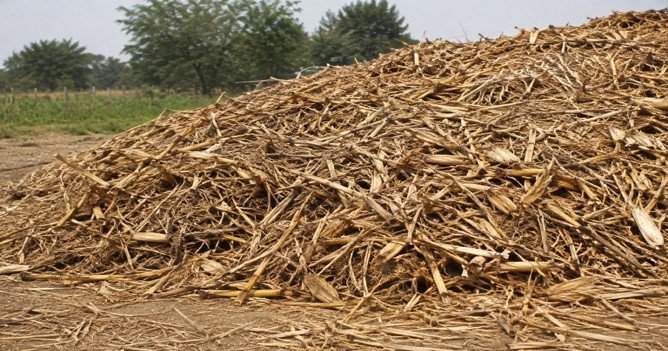
The choice of feedstock is one of the most significant factors affecting the quality of biochar. Feedstock refers to a biomass resource used to produce biochar. The most common biomass resources for biochar production include wood waste, forest residues, agricultural waste, rice husk, coconut shell, bamboo biomass, and crop residues.
Depending on the characteristics of a particular feedstock, the resulting product will have a set of attributes that differ in terms of carbon concentration, yield, and other features. For example, it is found that using wood waste and forestry residues as feedstock contributes to the production of high-quality biochar with high carbon content. Agricultural waste, such as rice husk and straw, is also a suitable option. However, it is worth noting that using this type of biomass leads to the formation of more inert products due to the high silica content. On the other hand, using coconut shells as a feedstock is associated with better porosity and water retention capacity, which makes it a favorable choice for industrial applications. Finally, bamboo biomass is a versatile option that is particularly appealing in terms of sustainability and yield.
Pyrolysis Conditions: The Process That Shapes Quality
The next important factor that should be considered is pyrolysis conditions. The characteristics of feedstock are not the only conditions that influence the outcome of the process: temperature, heating rate, residence time, and other parameters also affect it. For instance, according to the available research, low-temperature pyrolysis (< 400 o C) is associated with high yields but low biochar stability. In turn, high-temperature pyrolysis (> 600 o C) is linked with an increase in carbon, volatiles, surface area, and porosity, although the yield of biochar decreases. Furthermore, it is found that slow pyrolysis (low heating rate) favors biochar yield and stability, whereas fast pyrolysis is more favorable for bio-oil production. Finally, longer residence time promotes carbonization, which increases the stability of the resulting biochar.
Carbon Stability: Why It Matters For Long-Term Value
One of the latest trends in the application of biochar is its use for carbon sequestration purposes. Therefore, recently, there has been a growing interest in the stability of carbon contained in biochar. Carbon stability refers to the resistance of carbon to decomposition: the greater its stability, the more likely it is to resist decomposition and stay in the environment for a long time. This attribute is critically important for the application of biochar in carbon sequestration purposes because, in this case, the stability of carbon determines its capacity to resist oxidation and stay in the atmosphere for a long time. The higher the stability of carbon contained in biochar, the better its applicability in carbon sequestration and climate change mitigation. It is worth noting that carbon in biochar can exist in two forms: volatile and stable. The former is labile and can be decomposed and released into the atmosphere. However, stable carbon is more resistant to decomposition: it can stay in soil for several decades or even centuries. Therefore, biochar with high carbon stability is a great choice for carbon sequestration purposes since it allows for the long-term storage of carbon. Today, there is a growing number of carbon credit programs that provide financial compensation for the production of carbon-negative products, such as high-carbon biochar. As a result, it is worth paying a particular amount of attention to the carbon stability of the produced biochar in order to increase its commercial value.
Key Features of High-Quality Biochar
- High porosity – creates space for water, nutrients, and microbes to interact
- Large surface area – improves nutrient and water absorption
- Water retention – holds moisture and releases it gradually to plant roots
- Nutrient holding ability – reduces nutrient leaching and fertilizer waste
- Microbial activity support – gives beneficial soil organisms a place to thrive
- Soil conditioning – improves aeration and reduces compaction, especially in clay soils
- Long-term carbon storage – keeps carbon locked away for years or decades
- Environmental sustainability – supports multiple green goals through a single material
Where High Quality Biochar Is Used
In agriculture, biochar improves soil fertility, supports better crop productivity, conserves water, and reduces the need for excess fertilizer, making it a practical tool for more sustainable farming without compromising on yield.
In industry, biochar plays a growing role in waste management, carbon capture projects, environmental remediation, water treatment and filtration, and various renewable energy initiatives tied to biomass conversion.
From an environmental standpoint, biochar supports carbon sequestration at scale, helps restore degraded land, and gives agricultural or forestry waste a productive second life instead of letting it decompose and release emissions.
Challenges of Low Biochar Quality
Although low-quality biochar has a number of disadvantages, in some cases, it may also be applied in agriculture or industry. Nevertheless, the low quality of biochar is a serious threat to its commercial application. The inconsistency of feedstock, changes in the moisture of biomass, and variations in operating conditions are some of the factors that could negatively affect the quality of the product and its application. From a commercial perspective, the consistent and predictable quality of the final product is of particular importance.
How Modern Biochar Plants Ensure Quality
Modern biochar plants are designed to precisely control temperature, heating rate, and residence time. This allows the production process to be optimized according to the unique characteristics of each feedstock. As a result, high-quality biochar can be produced to meet the specific requirements of different markets.
The Future of Biochar Technology
Carbon credits are becoming increasingly popular as more and more companies and organizations are willing to invest in carbon removal solutions in order to meet their climate action goals. Sustainable agriculture, on the other hand, is gradually gaining popularity as farmers begin to adopt climate-smart practices that help them reduce the amount of fertilizer used. Finally, the circular economy concept encourages the utilization of waste materials, such as agricultural and forestry residues, into new products. As a result, the demand for biochar in various industries is expected to rise in the future. The ability to produce high-quality biochar on an industrial scale will be highly valuable in meeting the emerging demand.
How Kerone Biochar Can Help Ensure Consistent and High Quality Production
Kerone Biochar has the expertise of thermal processes and systems for many years, which allows them to design biomass biochar plants, pyrolysis plants, and other biomass processing units. They can adjust each system according to the particular features of the raw materials that will be processed by it instead of using the same solution in all cases. It can help achieve stable carbon yields and produce high-quality products for agriculture and industry to use in their operations and carbon sequestration projects.
Conclusion
In conclusion, it is important to note that there are three main factors that determine the quality of biochar: feedstock, pyrolysis conditions, and carbon stability. The choice of feedstock is paramount in biochar production. Depending on the characteristics of a particular biomass resource, it is possible to obtain a product with specific attributes that will meet the requirements of a particular application. The optimization of pyrolysis conditions is another essential aspect of biochar production. Temperature, heating rate, and residence time should be carefully chosen in order to ensure that the final product will meet the desired specifications. Finally, carbon stability is also crucial for the production of high-quality biochar. High carbon stability ensures that the product will be suitable for long-term carbon sequestration and, thus, for climate change mitigation purposes. Overall, a comprehensive understanding of these three attributes is essential in the production of high-quality biochar that can meet the demands of the biochar market in the future.
FAQ
1. What is the difference between biochar and normal charcoal?
Biochar is made using a similar process to normal charcoal, except that biochar is intended to be used as a soil amendment and is made with different pyrolysis methods. Ordinary barbeque charcoal is usually not fit for purpose as a soil amendment as it often contains various additives and is of poor quality.
2. How do we know that the quality of biochar is good enough?
Biochar of good quality will generally have high carbon content, high porosity, low moisture, low content of minerals that might affect soil chemistry and low pH value; it should also be reasonably inert substance, not containing suspicious inclusions from partial pyrolysis of some plastics.
3. What is the optimum pyrolysis temperature for obtaining high-quality biochar?
The typical range of pyrolysis temperatures for making biochar ranges between 500C and 700C. Temperatures within this range will ensure maximum yield of high-quality biochar.
4. How long can it normally last in the soil?
The timescale for decay of biochar in soil is much longer than other organic materials normally, it lasts from several decades to several centuries, depending on the initial carbon content and porosity.
5. Does biochar work equally well in any type of soil?
Biochar is known to be effective in almost any type of soil, but it is usually more effective in sandy and poor-quality soil with low water holding capacity and cation exchange capacity, rather than in high quality and balanced soil.
6. What features should I look for to identify high-quality biochar?
Look for high porosity, large surface area, strong water retention, good nutrient holding ability, and signs of stable carbon content, since these features directly determine how well the biochar will perform in soil or industrial use.
7. Why does oxygen control matter during pyrolysis?
Pyrolysis depends on limiting oxygen exposure, and even small amounts of uncontrolled oxygen can cause partial burning, which lowers carbon yield and disrupts the porosity and consistency of the finished biochar.
8. Which feedstocks generally produce the best biochar?
Wood waste and forestry residues tend to give high carbon content and strong stability, coconut shells produce dense, highly porous biochar with excellent water retention, and bamboo offers a good balance of yield and consistency. The best choice depends on whether the priority is carbon sequestration, agricultural use, or industrial application.