
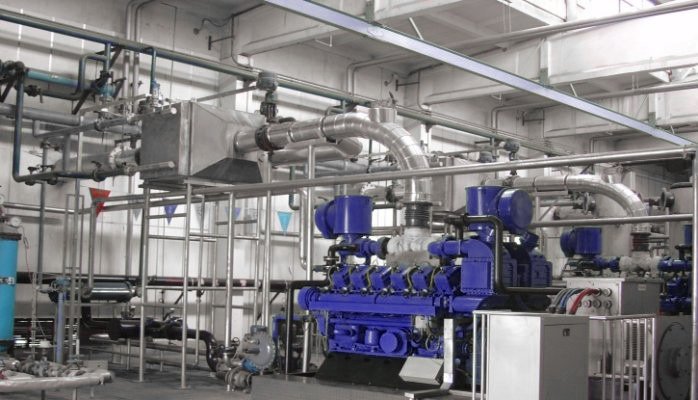
Kerone Engineering Solutions Ltd. is a pioneer company that specializes in Combined Heat and Power (CHP) plants and is at the forefront of sustainable energy solutions. We design, develop, and deploy cutting-edge CHP systems that transform the way businesses produce electricity with an unwavering dedication to energy efficiency and environmental responsibility. Our CHP systems are designed to produce both electricity and useful thermal energy from a single fuel source, maximizing resource usage.
Due to the substantial reduction in energy expenditures and greenhouse gas emissions, our solutions are environmentally friendly. Scalable CHP solutions are available from Kerone and are appropriate for a wide range of applications, including industrial buildings as well as residential and commercial structures. We are advancing the transformation of energy generation toward a more sustainable and effective future by putting a strong emphasis on innovation, dependability, and customer satisfaction.
A very effective and environmentally friendly method of producing energy is through combined heat and power (CHP) plants, sometimes referred to as cogeneration facilities. From a single fuel source, usually natural gas, biomass, or leftover heat from industrial processes, these cutting-edge facilities generate both electricity and useful thermal energy. CHP plants, in contrast to conventional power plants, capture and use this waste heat for a variety of uses, including heating buildings, providing hot water, or powering industrial activities. Traditional power plants squander a substantial quantity of heat energy during the electricity generation process.
The combined heat and power unit, which combines a heat recovery system and an electric generator, is the main part of a CHP plant. The heat recovery system collects and distributes the extra thermal energy to neighboring facilities or district heating systems while the generator transforms the chemical energy of the fuel into electricity. By minimizing energy losses and lowering greenhouse gas emissions, this cogeneration strategy makes CHP plants an environmentally benign choice.
CHP plants are used in a variety of situations, including industrial, commercial, and residential ones. To supply both electricity and heat to several buildings in urban areas, district energy systems frequently use CHP technology. This increases energy resilience and decreases the requirement for grid-based power. In sectors that require a lot of heat, such paper mills, chemical plants, and food processing facilities, CHP plants are essential because they may drastically cut operating costs and carbon footprints.