
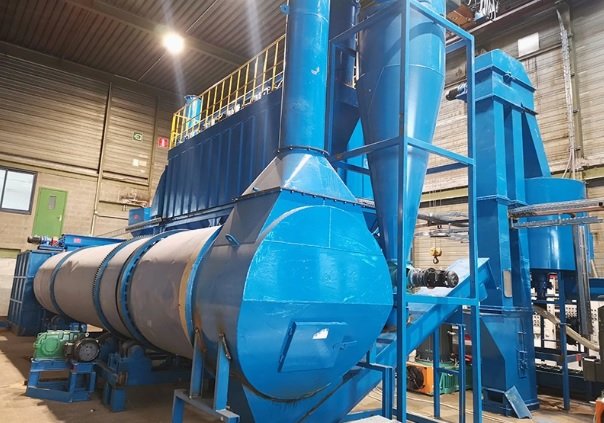
Kerone Engineering Solutions Ltd. is at the leading edge of innovation and sustainability in the world of briquetting plants. We design, manufacture, and install modern briquetting systems that serve a variety of industries and applications as part of our dedication to converting waste into useful resources.
Kerone briquetting plants are expertly constructed to handle a variety of raw materials with accuracy and efficiency, from agricultural wastes and wood waste to industrial outputs. Because we value sustainability and commitment to the environment, our plants are built with a focus on minimizing waste, lowering emissions, and conserving natural resources.
Modern industrial facilities known as briquetting plants are essential to addressing environmental issues and promoting sustainable development. These facilities are made to effectively transform different waste types into dense, energizing briquettes that can replace conventional fossil fuels. In this thorough overview, we’ll go into the specifics of briquetting plants, including how they work, their benefits, and how they help the environment.
A briquetting plant, also known as a briquette factory, is a specialized production facility where waste items, including industrial wastes, forestry waste, and agricultural residues, are processed and crushed into dense, compact briquettes. Based on the needs of the end users, these briquettes are fashioned in a variety of shapes and sizes.
Innovative facilities called briquetting plants are created to briquette, or compact and energy-efficiently compress a variety of biomass and waste materials. These facilities are crucial in tackling environmental issues since they transform agricultural waste, wood chips, sawdust, and other biomass sources into a renewable energy source. To produce dense, cylindrical briquettes with a high energy content, the method entails shredding and compressing the raw materials, often using hydraulic or mechanical presses.
Briquetting facilities are incredibly adaptable, providing solutions for a variety of industries, from power generation to cooking and heating. By lowering trash disposal, preserving natural resources, and lowering greenhouse gas emissions, these plants greatly contribute to sustainable development. Briquetting facilities are crucial contributors to a more environmentally friendly and sustainable future because of their cost-effective energy generation and eco-friendly philosophy.