
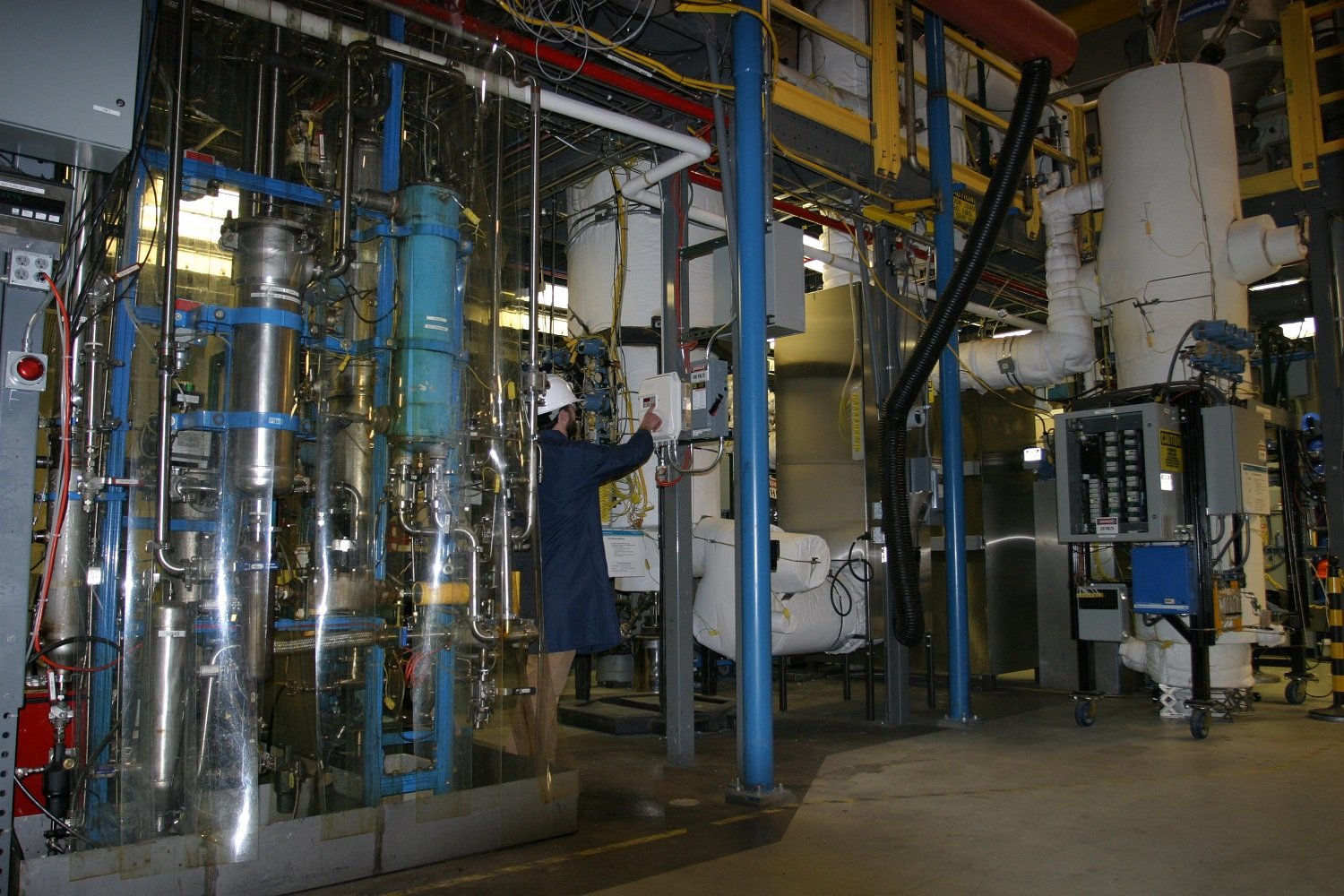
Biomass Gasification for Hydrogen System

Biomass Gasification for Hydrogen System

Kerone Engineering Solutions Ltd. has been a trailblazing leader in the field of sustainable energy, dedicated to revolutionizing how the world is powered. Our company, which is uncompromising in its commitment to energy independence and sustainability, specializes in the design, construction, and manufacturing of modern biofuel production facilities. By leveraging cutting-edge technologies and a variety of feedstock sources, including agricultural crops, waste materials, and algae, we contribute significantly to the reduction of greenhouse gas emissions and the advancement of a cleaner energy environment.

Kerone Engineering Solutions Ltd. is a pioneering company at the forefront of revolutionizing the energy landscape through advanced biomass gasification for hydrogen systems. With a strong commitment to sustainability and innovation, we are dedicated to providing clean and renewable energy solutions that drive the transition towards a greener future.

An established technological method called biomass gasification uses regulated heat, steam, and oxygen processes to turn biomass into hydrogen and other products without burning it. The net carbon emissions of this technology may be low due to the removal of carbon dioxide from the atmosphere during biomass growth, especially if carbon capture, utilization, and storage are used in the long run. Building and running gasification plants for biofuels can teach us best practices and valuable lessons for producing hydrogen.

What is Biomass?

Agriculture crop residues (like maize Stover or wheat straw), forest residues, special crops developed just for energy usage (like switch grass or willow trees), organic municipal solid trash, and animal wastes are all examples of biomass, a renewable organic resource. By gasifying this renewable resource, hydrogen and other byproducts can be produced.

How Does Biomass Gasification Work?

Biomass gasification is a thermochemical process that converts biomass feedstocks, such as wood, agricultural residues, or organic waste, into a mixture of gases known as syngas (synthesis gas). Syngas is composed primarily of hydrogen (H2), carbon monoxide (CO), carbon dioxide (CO2), and methane (CH4), along with other trace components. This process involves controlled heat and a limited oxygen supply to break down complex organic molecules in biomass into simpler gases.

Application of Biomass Gasification for Hydrogen System
  • Electricity Generation
  • Combined Heat and Power (CHP)
  • Hydrogen Production
  • Industrial Processes
  • Biofuel Production
  • Heating and Cooling
  • Waste Management
  • Rural and Off-grid Applications
  • Carbon Capture and Storage (CCS)
  • Research and Development
Features of Biomass Gasification for Hydrogen System
  • Renewable Energy Source
  • Diverse Feedstock Compatibility
  • Reduced Carbon Footprint
  • Energy Independence
  • Versatile Gas Output
  • Waste Utilization
  • Biochar Production
Advantages of Biomass Gasification for Hydrogen System
  • Reduced Greenhouse Gas Emissions
  • Renewable Energy Source
  • Energy Security
  • Reduced Air Pollution
  • Enhanced Rural Development
  • Carbon Capture and Sequestration
  • Technological Advancements
  • Energy Diversity
  • Compatibility with Existing Infrastructure
  • Waste Reduction
  • Potential for Circular Economy
  • Sustainable Agriculture
  • Energy Independence
  • Reduced Transportation Emissions

Kerone Biochar