
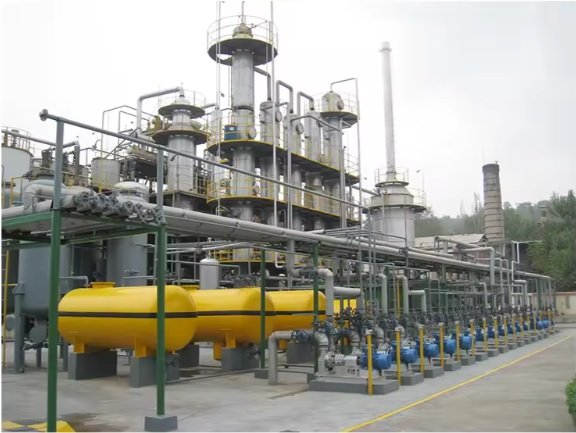
Bioenergy with Carbon Capture and Storage (BECCS) Plants

Bioenergy with Carbon Capture and Storage (BECCS) Plants

Kerone Engineering Solutions Ltd. has been a trailblazing leader in the field of sustainable energy, dedicated to revolutionizing how the world is powered. Our company, which is uncompromising in its commitment to energy independence and sustainability, specializes in the design, construction, and manufacturing of modern biofuel production facilities. By leveraging cutting-edge technologies and a variety of feedstock sources, including agricultural crops, waste materials, and algae, we contribute significantly to the reduction of greenhouse gas emissions and the advancement of a cleaner energy environment.

The Kerone Engineering Solutions Ltd is a renewable energy corporation that generates renewable power, produces sustainable biomass, and sells renewable electricity to businesses. Sustainable biomass is a low-carbon, renewable energy source and a crucial step toward net zero. Our goal is centered on this. Healthy forests can benefit from the use of sustainable biomass. Effective at absorbing and storing carbon dioxide (CO2) from the atmosphere are well-managed woods.

Utilizing the power of bioenergy while capturing and storing carbon dioxide (CO2) emissions is known as “bioenergy with carbon capture and storage,” or BECCS. This technology has the ability to reduce atmospheric CO2, making it a crucial component of international efforts to attain carbon neutrality.

Plants that use bioenergy and carbon capture and storage (BECCS) offer hope for the fight against global warming. These modern facilities combine two crucial mitigation techniques for greenhouse gas emissions. In order to produce bioenergy, they first harness biomass resources like agricultural waste, forest biomass, or energy crops using procedures like burning or gasification. In addition to being a renewable energy source, this bioenergy production also absorbs carbon dioxide (CO2) emissions produced during combustion. The CO2 is captured and stored in BECCS plants using carbon capture and storage technology, which stops it from escaping into the atmosphere.

Because they produce both renewable energy and sequester carbon, BECCS plants are an effective weapon in the fight against global warming. They help to balance the carbon equation globally by actively removing CO2 in addition to providing a sustainable energy source. To fully realize the potential of BECCS in our transition to a more sustainable and carbon-neutral future, however, issues including sustainable biomass sourcing, effective carbon capture, and long-term storage must be addressed.

Application of Bioenergy with Carbon Capture and Storage (BECCS) Plants
  • Power Generation
  • Industrial Processes
  • Heat and Steam Production
  • Transportation Fuels
  • Carbon-Neutral Aviation and Shipping
  • Negative Emissions for Net-Zero Goals
  • Agriculture and Land Management
  • Carbon Market Offsets
  • Climate Policy Compliance
  • Research and Development
Features of Bioenergy with Carbon Capture and Storage (BECCS) Plants
  • Renewable Energy Generation
  • Carbon Capture Technology
  • Carbon Sequestration
  • Negative Carbon Emissions
  • Integration with Existing Infrastructure
  • Balancing Variable Renewable Energy Sources
  • Sustainable Biomass Sourcing
  • Carbon Neutrality
  • Research and Development
  • Climate Mitigation Strategy
Advantages of Bioenergy with Carbon Capture and Storage (BECCS) Plants
  • Renewable Resource
  • Reduced Greenhouse Gas Emissions
  • Biodegradability
  • Improved Air Quality
  • Energy Security
  • Compatibility with Existing Infrastructure
  • Lubricity
  • Diversification of Feedstocks
  • Support for Agriculture
  • Research and Technological Advancements
  • Compliance with Renewable Fuel Standards
  • Public Health Benefits
  • Global Energy Transition

Kerone Biochar