
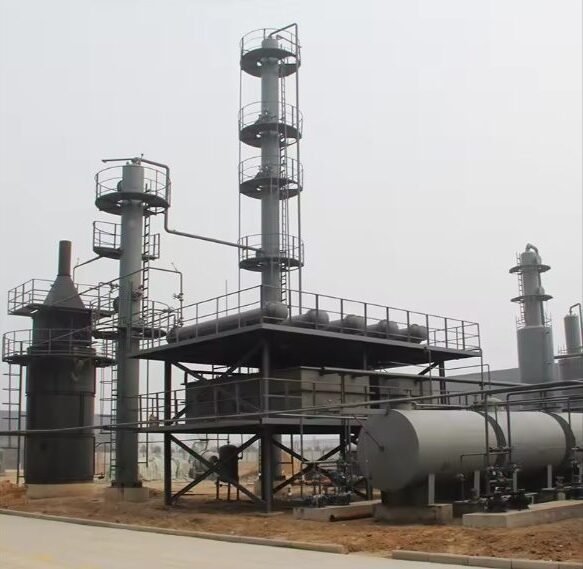
Kerone Engineering Solutions Ltd. is a pioneer in manufacture of chemical and energy that is environmentally beneficial. In order to combat climate change and reduce our reliance on fossil fuels, we put a lot of effort into the design, construction, and operation of modern pyrolysis facilities. Thanks to our modern equipment, we can efficiently convert a variety of biomass feedstocks, such as municipal solid waste and agricultural leftovers, into high-quality bio-oil and other useful products.
At Kerone, we are dedicated to the ideals of resource efficiency, environmental care, and the circular economy. Our plants are essential for waste management, soil enhancement, and rural development in addition to helping to reduce greenhouse gas emissions. We are pleased to be at the forefront of the green energy revolution, providing ground-breaking solutions that pave the way for a more sustainable and prosperous future for all.
Biomass is converted into marketable bio oil by a thermal decomposition process called pyrolysis in advanced facilities called bio-oil pyrolysis plants. These plants play a significant role in the landscape of sustainable and renewable energy by harnessing the energy present in organic materials such as wood, agricultural waste, and even municipal solid waste. The biomass feedstock is first heated to extremely high temperatures in a controlled, oxygen-free environment, typically between 400 and 600 °C.
The biomass decomposes into a variety of products as a result of this tremendous heat, with the major goal being the creation of bio-oil, a flexible liquid fuel and feedstock for several chemical processes. The created bio-oil can be further refined for use in industrial applications, transportation fuels, and even as a source of chemicals for different industries. Plants for bio-oil pyrolysis make a substantial contribution to lowering greenhouse gas emissions, easing the burden of waste disposal, and fostering a more sustainable and circular bio economy. Between our reliance on fossil fuels and the shift to cleaner, more renewable energy sources, they serve as a vital link.